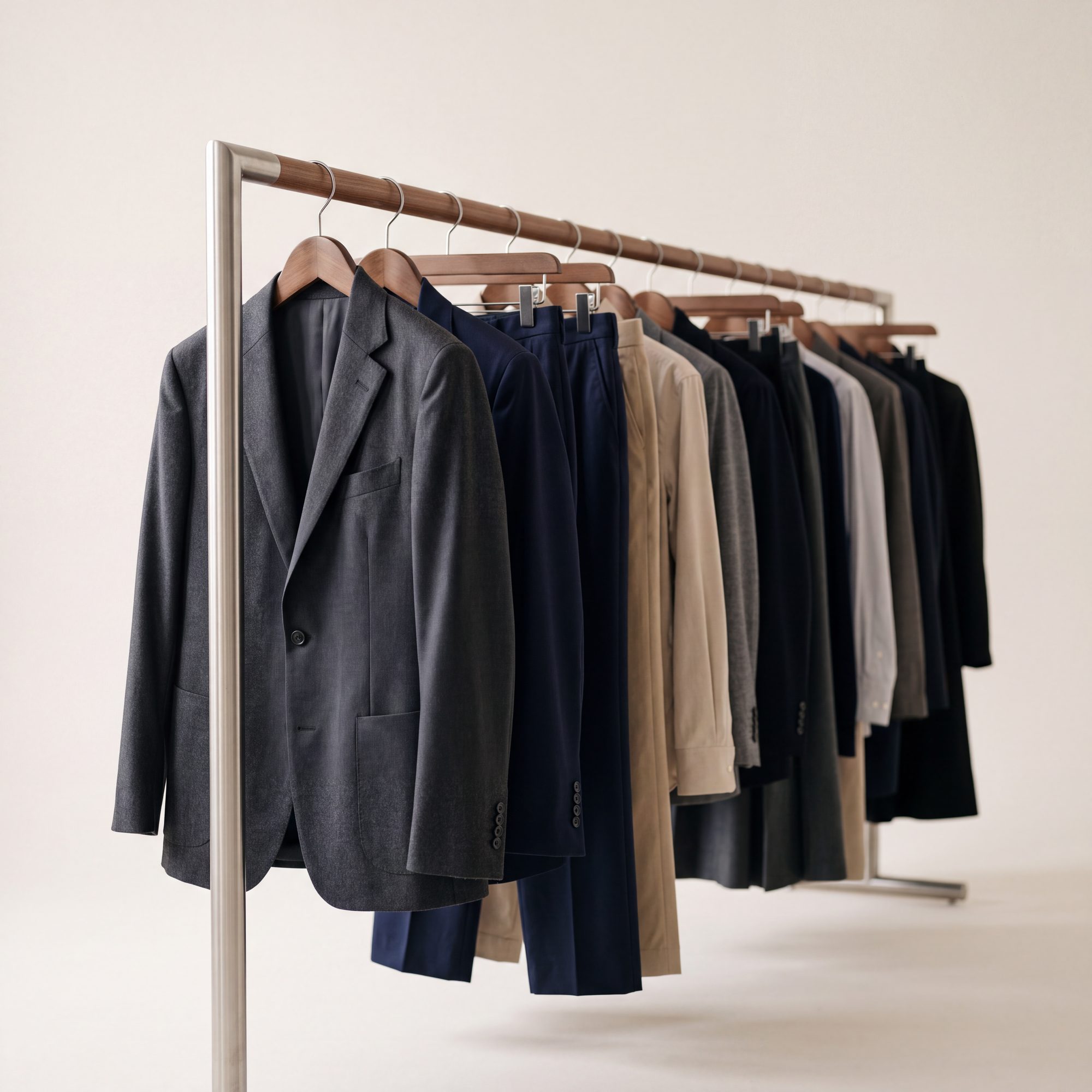
The uniform rental industry runs on a persuasive pitch: never buy garments, never think about laundry, one weekly invoice. For some operations that trade is right. But the model deserves the same scrutiny as any lease, because the economics tilt hard after the first year.
Rental means you pay weekly, per wearer per garment, forever. The garments never become yours, and contracts commonly run multi-year with automatic renewal and annual escalators. The famous pain points are documented in courtrooms, not just complaints: loss and damage charges, prep and artwork fees, invoice line items that were not in the pitch. The Federal Trade Commission and state attorneys general have repeatedly pursued textile-rental billing practices, which tells you how often invoices grow legs.
Ownership means you buy the garment once, brand it once, and it works for its whole life, typically two to four years for daily-wear pieces. Pair it with a managed laundry route and you have replicated the rental service layer (pickup, wash, return, replacement) while the asset depreciates on your books instead of earning margin on someone else's.
Run the arithmetic on one worker: a rented work shirt at a few dollars per week is a three-figure annual cost, per shirt position, forever. The owned equivalent costs a purchase price in month one and pennies of laundering per wear after. By the second year the owned shirt is nearly free while the rented one is still on the meter. Multiply by eleven garments and forty staff and the spread funds a manager's salary.
Rental keeps three honest advantages. Extremely high-turnover workforces where garments outlive employees weekly; heavily soiled industries where garment destruction is routine; and cash-flow situations where any capital outlay is impossible. If that is you, rent, but negotiate loss charges and exit terms before signing, not after.
The hybrid most growing businesses land on: own the garments, outsource the laundering per bag rather than per garment, and keep replacement on file with your supplier. You get rental's convenience without its contract, and your brand decisions (fabric, fit, embroidery quality) stop being limited to what a rental fleet stocks.
One more strategic point: owned garments are yours to design. Rental fleets standardize because the same shirt must survive many customers; ownership is how you get the collar you wanted, the fabric your climate needs, and a look competitors cannot rent next door.
Before any signature, ask both vendors the same five questions: total annual cost per wearer, who pays for loss, what happens at exit, who owns the branding, and what the invoice looked like for a comparable client last January versus this one. The answers usually make the decision for you.
Read a rental contract with a highlighter on five clauses: term length and auto-renewal notice windows (calendar the notice date the day you sign), loss and damage charge schedules, replacement-value definitions, price-escalation caps, and buyout terms for garments at exit. Every horror story you have heard about rental lives in one of those five paragraphs, and every one is negotiable before signature.
Audit the invoice quarterly even in a good relationship: count garments actually in service against garments billed, and reconcile loss charges against your own separation records. Billing drift in textile rental is common enough that a one-hour quarterly audit routinely pays for itself, and vendors sharpen noticeably once they learn you count.
If you are exiting a rental today, sequence the transition: buy and brand the owned program first, run two weeks of overlap, then return rental stock against a documented inventory with photos. The overlap costs a few weeks of double expense and prevents the classic exit wound: a returned-goods dispute priced at replacement value on garments you no longer possess.
The cleanest way to hold this decision is as a five-year table with three rows: rental at quoted rates with honest escalators, ownership with managed laundering, and ownership with in-house laundering if you genuinely have the machines and labor. Fill it for your actual roster and garment list, not an average one, and include replacement cycles and loss rates from your own history. In most service businesses the middle row wins by year two and compounds after; in a handful of high-destruction industries the top row earns its keep. Either answer is respectable when it comes from your table. What is not respectable is the default: businesses renting for a decade because a contract auto-renewed eight times while everyone was busy, paying yearly for shirts that could have been theirs three times over.