Sizing is where uniform programs meet human beings, and the difference between a program people wear proudly and one they complain about is usually a single afternoon: the fit session. Here is the version that works, tuned over many rollouts.
Before the session, get three things: a roster with roles, a sample size run of each core garment (one of each size, not one per person), and a private-enough space with a mirror. Publish two or three time windows across shifts so no one has to choose between being fitted and doing their job.
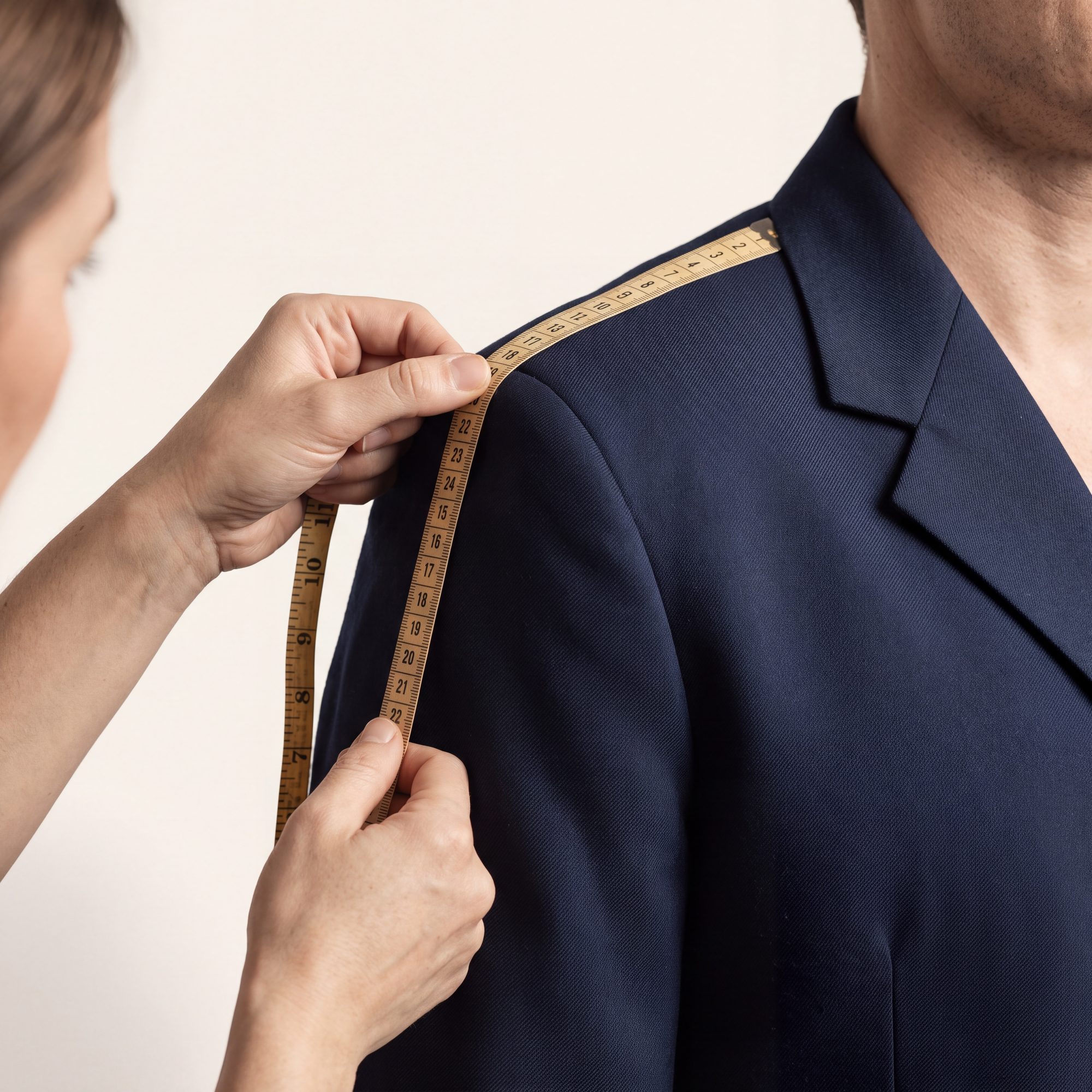
Run it as try-on, not measurement. Numbers on a tape flatter nobody and start arguments with size charts; bodies in actual garments end them. Each person tries their guessed size and one adjacent, walks, reaches, crouches, and the coordinator records the winner. Ninety seconds per person per garment is a real pace once the rail is organized.
Record more than the size. The spreadsheet that matters has columns for name, role, garment, size chosen, and one free-text note (prefers looser, needs tall, sleeves long). That note column is the institutional memory that makes year-two reorders effortless and makes new employees think you are psychic.
Respect the edges of the range quietly. Staff outside the sample run should be able to say so privately to the coordinator, not announce it to a line. A good program stocks XXS through 5XL and tall variants without ceremony, because the fastest way to make someone hate a uniform is to make its sizing a public event.
Expect the distribution, not the average. Rosters reliably need more M and L than anything, a real tail of XS and 3XL-plus, and at least one surprise. Order the middle heavy, the edges honest, and ten percent overage on the most-worn pieces; turnover will spend it within the year.
Pregnancy, religious dress, and medical needs belong in the plan, not in the exceptions pile: maternity variants or wrap alternatives, hijab-compatible collars and sleeve options, adaptive closures where hands need them. United States employers are required to accommodate religious dress absent undue hardship, and the programs that handle this gracefully simply pre-decide the options.
After the session, sizes live under the account, which is the whole payoff: replacements and new-hire kits ship correct without re-fitting anyone. The fit session is not an event; it is the one-time cost of never doing sizing chaos again.
Remote and multi-site rosters can still be fitted honestly: ship a size-run kit (one of each size in a labeled duffel) site to site with a one-page instruction sheet and a return label, and have each location's coordinator run the same try-on protocol. It costs one duffel and two weeks, and it beats size-chart guessing by the same margin in Cleveland as it does in the room with you.
Fit blocks deserve explicit narration during the session, because the vocabulary prevents hurt feelings: modern programs offer the same garment in more than one cut (classic and slim, or straight and curvy), presented as neutral options rather than judgments. When the coordinator says every block is the same price, pick the one you like moving in, selection stops being a body conversation and becomes a preference one.
Close the loop with a forty-eight-hour exchange window after garments arrive: first real shifts surface what a mirror cannot (the reach that gaps a placket, the crouch that needs the tall). Publicize the window, make the exchange one message with no justification required, and the roster self-corrects while goodwill is still high. Silence after distribution is not satisfaction; it is resignation, and the window is how you tell them you know the difference.
The whole apparatus scales down gracefully for small teams: a six-person cafe does the same session in twenty minutes with one size run and a phone note instead of a spreadsheet, and it still banks the same three assets: correct first order, sizes on file, and staff who felt consulted rather than costumed. It scales up just as cleanly: a two-hundred-room hotel runs department sessions across a week, coordinators feed one master sheet, and the program launches with an exchange rate in the low single digits, which anyone who has distributed uniforms by size chart alone will recognize as a small miracle. The session is ninety minutes that determines how the next three years of reorders feel. There is no garment upgrade, fabric, or logo that returns more per hour invested.