The office dress code spent decades as a solved problem, then 2020 unsolved it. Hybrid schedules, video-first meetings, and a tight labor market moved real authority from the employee handbook to the team norm, and companies that dress client-facing staff have had to redesign for it rather than pretend the old default returned.
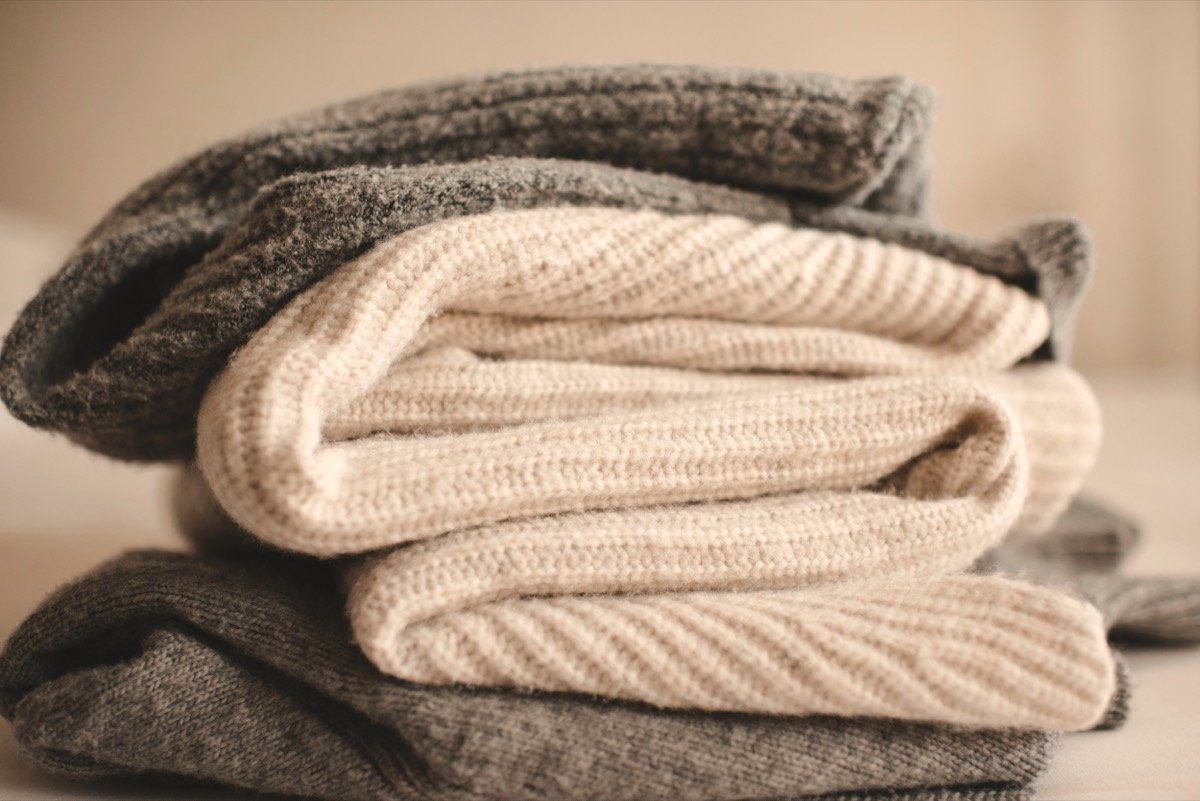
What actually changed: formality dropped a full register (surveys of employers through the 2020s consistently show business casual and casual dominating, with formal business attire down to a sliver), comfort became a stated requirement rather than a private wish, and the knit replaced the woven as the workhorse: polos, quarter-zips, fine-gauge sweaters, stretch blazers that behave like cardigans.
For a company outfitting staff, this is opportunity, not chaos, because the new uniform layer is cheaper and more wearable than the old one. A tonal-logo quarter-zip over an oxford reads current, survives a bike commute, and looks composed on camera, which is now a real design constraint: fabrics that photograph flat, collars that frame a face, and mid-value colors that hold up in bad home lighting.
The branding register shifted with the formality. Loud logos moved to trade shows; daily wear went tonal: navy on navy, stitched small, placed left chest. Staff wear branded knits voluntarily when the garment reads as clothing first and signage second, and voluntary wear is the entire ballgame in a hybrid office where enforcement is a video call away from impossible.
Client-facing roles keep a sharper lane: the reception desk, the pitch team, the site visit. The modern answer is a capsule, not a dress code: three to five provided pieces per person (knit, oxford, blazer-adjacent layer) that mix predictably, so every client-visible day is composed without a policy memo. Provide the capsule; do not legislate the wardrobe.
Legally, the loosening cuts both ways: fewer rules means fewer conflicts, but the rules you keep must still accommodate religious dress and grooming, and appearance policies tied to hair face restrictions in a growing list of jurisdictions. Write the remaining rules about garments you provide, and almost every hard conversation disappears.
The rollout advice mirrors hospitality more than people expect: fit sessions, real size ranges, staff input on the pieces. An office capsule people had a vote in gets worn on days nobody checks, which, in 2026, is most days.
The quiet payoff shows up on camera and in lobbies: a team that looks coordinated without looking costumed. That is the whole brief now, and it is very achievable at knit prices.
Video calls changed garment specs in specific, buyable ways: high-contrast solids read better than fine patterns (which moire on camera), collars matter more than hems (the frame ends mid-chest), and fabrics with a little structure resist the slumped look webcams exaggerate. A capsule chosen with a camera test, literally trying pieces on a laptop call, outperforms one chosen off a mannequin.
Distribution logistics changed too: hybrid staff are not at a desk to receive a box, so programs ship kits to homes with prepaid exchange labels, and size collection happens by form rather than fit session. It is the new-hire kit playbook applied to incumbents, and companies that run it report the same effect: provided clothing lands as a perk, not a policy.
One measurable to watch: voluntary wear rate. Count branded pieces on a normal Tuesday call and again a quarter after any refresh. When the rate climbs without any reminder emails, the capsule is right; when it needs enforcement, the garments, not the staff, failed the test. It is the cheapest brand-health metric a workplace owns.
The office capsule also quietly solves a management problem nobody enjoys naming: appearance feedback. When the company provides three good pieces, on brand days matter less about judgment and more about logistics, and no manager ever again has to have the conversation about what someone chose from their own closet. Provided clothing converts a personal topic into an inventory topic, which is a mercy for everyone involved. Start with the client-facing capsule, watch the voluntary wear rate, and expand by request rather than by mandate; in the hybrid era, the programs that grow are the ones staff ask to join, and a well-chosen knit does more recruiting for the program than any policy paragraph ever has.